
MentalUP Brain Games For Kids
MentalUP - Learning Games for KidsEducational
4.2386.00 Reviews
- Version
- 7.7.9
- Installs
- 10.00M
- Age Rating
- Everyone
Screenshots


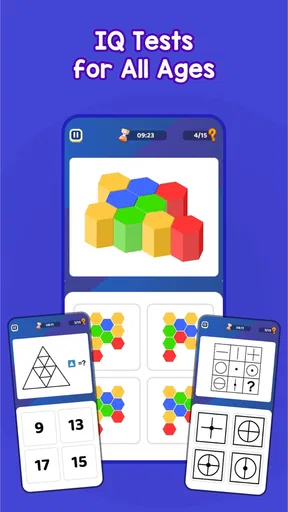
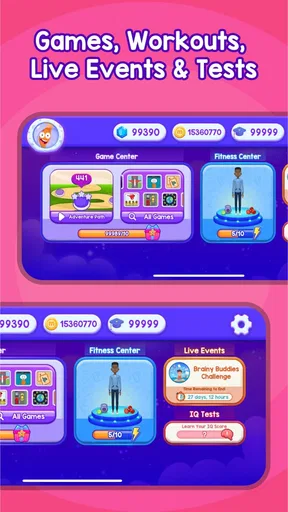
Our Review of MentalUP Brain Games For Kids
 Analysis by Appyee
I’d look at MentalUP Brain Games for Kids as a way to make a short stretch of screen time feel more purposeful, rather than as a replacement for schoolwork or hands-on play. It is an educational game from MentalUP - Learning Games for Kids, and its focus is brain-training activities for children. I find that framing useful: the app can offer a playful change of pace, while parents should keep expectations grounded about what a game can teach.
What the free starting point means
The game is free to install, which makes it possible to explore before deciding whether it belongs in your family’s routine. There are in-app purchases, with items priced from $1.99 to $199.99, so “free” describes the entry point rather than a promise that every part of the experience costs nothing. I would let a child try the available activities with an adult nearby, then check the purchase options before treating it as an ongoing, no-cost activity.
That distinction matters most when a child enjoys an app and wants to keep using it. I recommend setting expectations early: explain that some options may involve a purchase, and make any buying decision yourself. The listed price range is broad, so I would not assume that a particular payment unlocks a specific feature or that a purchase is necessary to get started. The sensible approach is to explore first and decide based on what your child actually uses.
Engaging the Mind While Having Fun
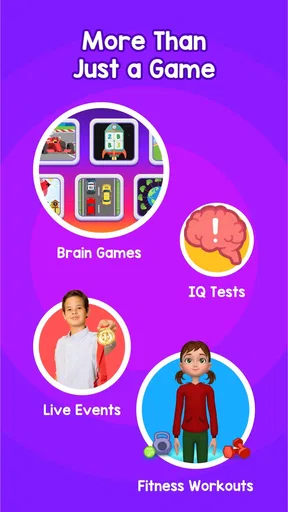
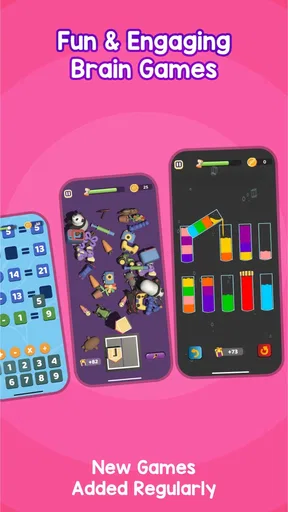
Let’s cut right to the chase—MentalUP Brain Games for Kids is all about blending learning with fun. The app is designed to boost cognitive skills through interactive games that feel more like play than study. What I love the most is how it manages to engage kids with its colorful graphics and easy-to-navigate interface.
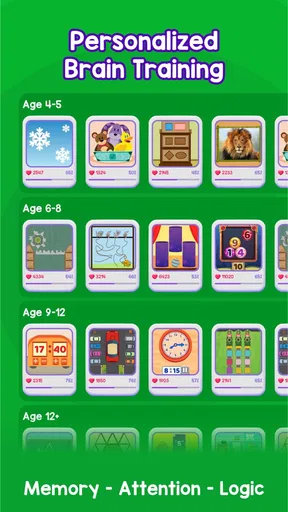
The app includes a variety of games tailored for different age groups, ensuring that the content is age-appropriate. From memory-building puzzles to logic challenges, the selection is vast enough to keep kids entertained for weeks. Plus, the app adapts the difficulty based on the child’s performance, which is a neat way to keep things challenging yet achievable.
Learning Categories: Diversity at Its Best
MentalUP categorizes its games into several learning areas such as memory, logic, attention, and visual processing. This categorization helps in focusing on specific skills that a child might need to improve. It’s like having a personal tutor in your pocket!
For example, the memory games are not just about repeating patterns; they are designed to enhance recall through engaging visuals and sounds. Similarly, the logic games challenge kids with puzzles that require strategic thinking. It’s this diversity that makes the app appealing to a broad audience of young learners.
Making the activities fit real family routines
I’d use the games in small, intentional windows rather than handing over a device for an open-ended session. A child waiting for dinner, taking a quiet break after school, or sitting through a long journey can try a few activities, then put the device away. That gives the app a clear role: a compact brain-game break, not the default answer whenever a child is bored.
A helpful habit is to ask the child which kind of challenge felt easiest and which took more concentration. That conversation turns the session into a chance to notice preferences, without turning every result into a test. If a child gets frustrated, I’d switch to another type of activity or stop for the day. Keeping the tone light is more useful than pressing for a score or insisting on a particular skill outcome.
The category labels can also help an adult choose a session with a purpose. If a child wants something visual, a visual-processing activity may feel like a better fit than a logic puzzle; if they are already tired, a demanding challenge may not be the right choice at all. I would treat the categories as a way to browse and vary play, not as a diagnosis of what a child needs to improve.
Rewards and Motivation
Who doesn’t love rewards? MentalUP has cleverly incorporated a reward system where kids earn badges and points as they progress. This feature adds a layer of motivation, encouraging kids to keep pushing their limits. I noticed that my niece was particularly excited about earning new badges, which kept her coming back to the app.
Moreover, the app provides personalized performance reports. As a parent or guardian, you can easily track your child’s progress and identify areas where they might need a little extra help. It’s like having a mini progress report right at your fingertips!
I’d use those reports as conversation starters, not as proof that a child’s abilities have changed in a lasting way. A game score reflects how a child did in the app’s activities; it should not be treated as a school assessment or a measure of intelligence. Badges can make practice inviting, but they can also become the main reason a child plays. If that happens, I’d redirect attention toward trying a new challenge or enjoying the puzzle itself.
User-Friendly Experience
Installing and navigating through MentalUP is a breeze. The app is intuitive enough for kids to use independently, which is a massive plus in my book. There’s something incredibly satisfying about watching a child navigate through the app without needing constant supervision.
Another feature worth mentioning is the parental control options. Parents can set limits on usage time, ensuring that screen time doesn’t go overboard. It’s a thoughtful touch that caters to modern parenting needs.
Even with an approachable interface, I would spend a little time exploring it alongside a younger child at first. That gives an adult a chance to see how the child moves between activities and to set a shared expectation about when play ends. For older children who already manage games independently, a brief check-in may be enough. The right level of supervision depends on the child, not just on how simple the menus feel.
Where it fits among children’s learning games
Compared with a single-purpose puzzle game, this app’s range of memory, logic, attention, and visual activities makes it easier to change the kind of challenge without switching to a different app. That variety is useful when a child loses interest in repeating one puzzle format. On the other hand, a child who loves a specific subject, such as reading or arithmetic, may get more direct practice from an app devoted to that subject.
It also differs from a workbook or a teacher-led lesson: the child interacts with game activities, while an adult still has to connect that play to broader learning. I would not choose it when the goal is structured instruction, homework support, or a substitute for a conversation with a teacher. Its strongest use is lighter: offering children varied mental challenges in a format they may be more willing to open than a worksheet.
The game is rated for Everyone, and it has been available since April 5, 2017. Its current version is 7.7.8, and it requires Android 6.0 or later. It has an average rating of 4.2 from around 145,000 ratings, with more than 10 million installs. Those figures suggest that many people have tried it, but they do not tell me whether it suits a particular child; the child’s interest and your comfort with the purchase options matter more.
The Offline Advantage
One of the standout features of MentalUP is its offline capability. Yup, you read that right! Kids can continue their learning journey even without an internet connection. This is perfect for long car rides or situations where Wi-Fi is spotty.
Having access to educational content offline not only keeps kids occupied but also ensures their learning isn’t interrupted. It’s a lifesaver for parents who are constantly on the go.
For a trip, I’d open the app before leaving and check that the activities the child expects to use are available. That small step avoids relying on a connection at the moment you need a distraction. Offline access is especially handy in places with weak Wi-Fi, but it does not change the need to agree on a stopping point or to balance device time with other ways of passing the journey.
Who is likely to get the most from it?
I think the best fit is a child who enjoys quick puzzles and likes having different kinds of challenges to choose from. It may also suit a parent looking for a shared activity: an adult can help a younger child understand what to do, then let them try independently. Since the game covers several mental-skill areas, it is more flexible than a collection of identical puzzles, especially for a child whose interests shift from day to day.
I’d skip it if you want a complete curriculum, guaranteed educational gains, or a focused tool for a particular school subject. It may also be a poor match for a child who dislikes timed or puzzle-style play, or who becomes overly concerned with points and badges. In those situations, a book, physical game, creative activity, or subject-specific learning resource may be a calmer and more relevant choice.
One practical way to judge fit is to notice what happens after the novelty wears off. Does the child willingly explore different activities, or do they only chase rewards? Can they stop without an argument? Those observations tell me more about whether the app is working for a family than a single enthusiastic first session. If it repeatedly causes friction around stopping or purchases, there is little reason to keep it in the routine.
Final Thoughts
All in all, MentalUP Brain Games for Kids is a fantastic tool for parents looking to add a sprinkle of education into their child’s screen time. Its engaging content, combined with its adaptability and user-friendly design, make it a brilliant choice for any young learner.
Whether you’re looking to boost your child’s cognitive skills or simply want an app that’s both entertaining and educational, MentalUP ticks all the right boxes. Give it a try, and you might just find your child asking for more learning games, which is a win-win in my book!
My recommendation is a measured one: try the free entry point, explore the activities with your child, and decide whether the mix of puzzles keeps them interested without turning play into a demand for more screen time. The developer is MentalUP - Learning Games for Kids, and the game has 386 reviews alongside its larger rating count. I would consider it a worthwhile option for families who want varied brain-game breaks, while keeping paid choices and realistic learning expectations in view.
Verdict
Strengths of MentalUP Brain Games For Kids
- Engaging and diverse games for cognitive development.
- Suitable for children of various age groups.
- User-friendly interface that's easy for kids to navigate.
- Offline access available for uninterrupted play.
- Regular updates with new games and features.
Limitations of MentalUP Brain Games For Kids
- Some features require a premium subscription.
- Limited parental control options.
- In-app ads can be distracting.
- Initial setup requires internet connection.
- Not all games cater to older children.
Similar Picks in This Category
View All
Little Panda Policeman
BabyBus4.0

Monster Trucks Game for Kids 2
Raz Games4.1

Little Panda's Chinese Recipes
BabyBus4.4

Little Panda's Restaurant
BabyBus4.4

Little Panda's Ice Cream Games
BabyBus4.3

Baby Panda Care
BabyBus3.8
Frequently Asked Questions
What is MentalUP Brain Games for Kids?
MentalUP Brain Games for Kids is an educational app designed to enhance children's cognitive abilities through fun and engaging games. It offers a variety of brain-training activities that focus on improving memory, attention, logic, and problem-solving skills. It’s suitable for children aged 4 to 13, making learning enjoyable and interactive.
Is MentalUP safe for children to use?
Yes, MentalUP is completely safe for children. The app is designed with child-friendly content and does not contain any inappropriate material. Additionally, it adheres to strict privacy policies, ensuring that children’s data is protected and not shared with third parties. Parental controls are also available for added safety.
Does MentalUP require internet access?
While MentalUP does require an internet connection for initial setup and updates, many of the brain games and activities can be accessed offline once downloaded. This makes it convenient for use on the go, allowing children to enjoy learning without the need for continuous internet access.
Are there any costs associated with using MentalUP?
MentalUP offers both free and premium versions. The free version provides access to a limited number of games daily. However, a subscription is required to unlock all features and gain unlimited access to all games. The premium version also offers personalized progress reports and ad-free gameplay.
How does MentalUP track and report progress?
MentalUP provides detailed progress reports that help parents and educators track a child’s development. The app uses advanced algorithms to assess performance in various cognitive areas, offering insights into strengths and areas for improvement. These reports are easy to understand and can be accessed at any time.
Play our best games!


